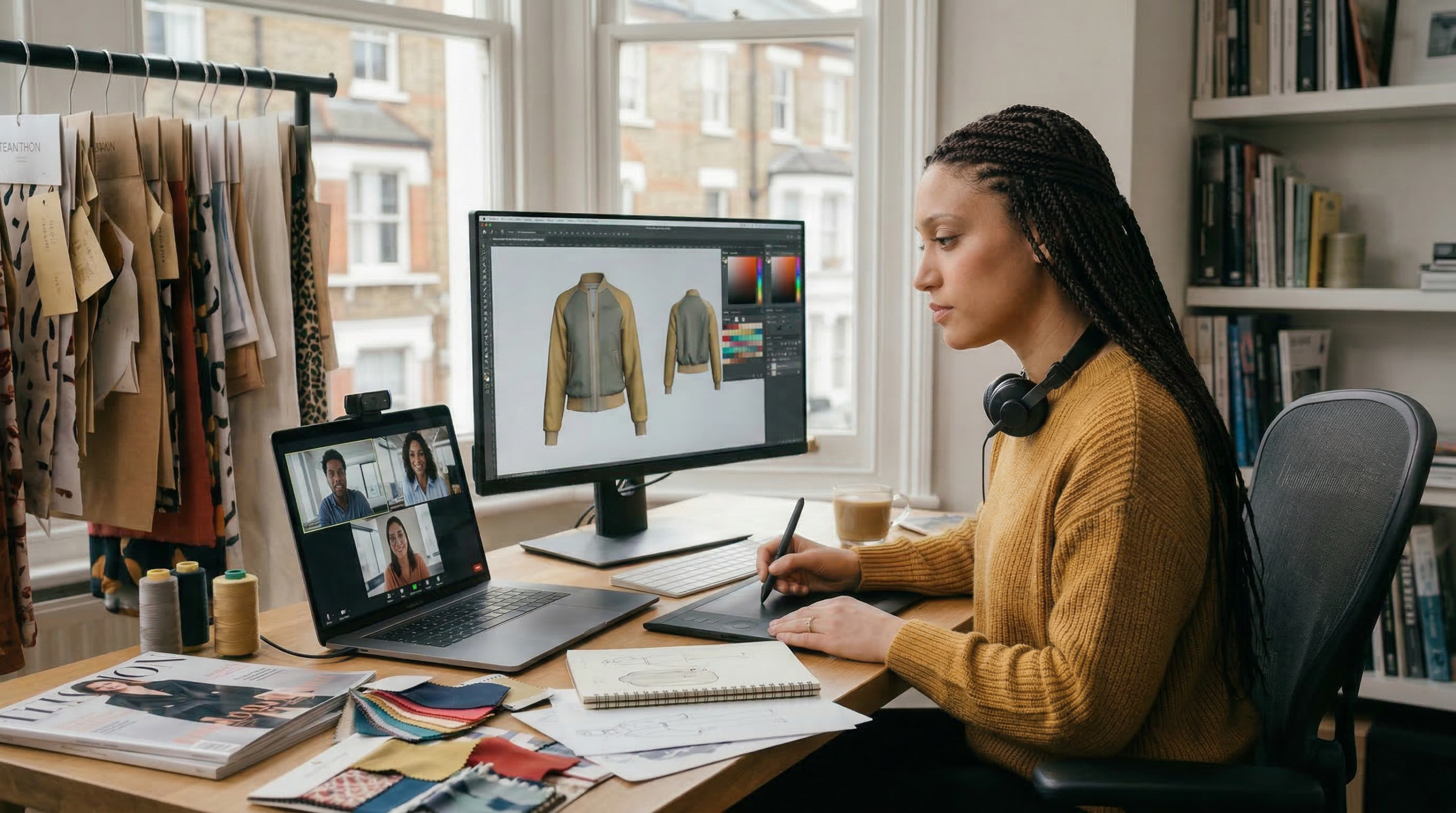
Artificial intelligence in fashion is no longer a futuristic concept—it is actively changing how fashion brands, freelance designers, and manufacturers approach design, production, and trend forecasting.
But while AI fashion design tools are generating significant buzz, many fashion businesses are asking the same question:
Is the fashion industry ready for AI?
The answer is yes—but only in specific areas.
AI is proving highly valuable for fashion concept development, trend forecasting, and marketing. However, when it comes to garment production, technical design, and manufacturing, traditional methods like Adobe Illustrator, tech packs, and 2D CAD remain essential.
In this article, we explore how AI is currently used in fashion, the best AI platforms for fashion designers, why traditional methods still dominate production, and whether AI can truly revolutionize the fashion industry.
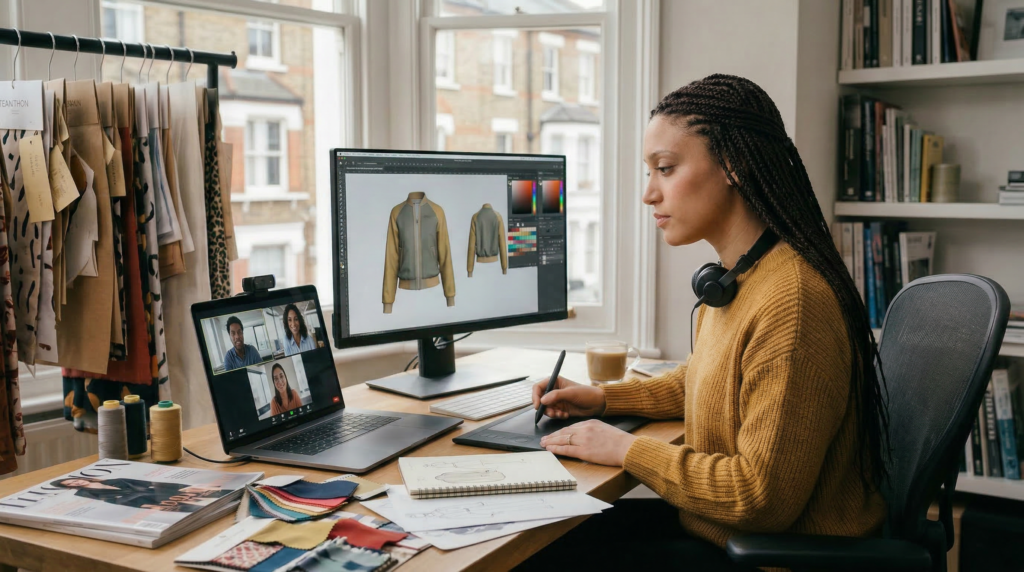
How Is AI Currently Used in the Fashion Industry?
Artificial intelligence is making the biggest impact in the early stages of fashion design and business strategy.
AI Fashion Design and Creative Concept Development
AI platforms allow designers to rapidly create:
- Fashion design concepts
- Mood boards
- Garment illustrations
- Textile print ideas
- Collection inspiration
- Marketing campaign visuals
This dramatically reduces design research time and helps brands explore creative directions faster.
Popular AI Platforms Used in Fashion Design
Several AI fashion tools are becoming increasingly popular among designers and brands:

TheNewBlack.ai
TheNewBlack.ai is one of the leading AI platforms designed specifically for fashion. It allows users to generate clothing concepts, fashion sketches, and creative design ideas quickly.
FLORA
FLORA is another AI-powered platform helping designers visualize apparel concepts and fashion collections using text prompts and generative design systems.
Midjourney
Midjourney is widely used in fashion for:
- Mood boards
- Editorial concepts
- Campaign visuals
- Trend exploration
Adobe Firefly
Adobe Firefly integrates AI into creative workflows, supporting:
- Print generation
- Textile experimentation
- Concept visuals
- Marketing assets
AI in Fashion Trend Forecasting
Many fashion brands are also using AI for:
- Consumer behavior analysis
- Trend forecasting
- Inventory management
- Demand prediction
- Personalised shopping experiences
- Social media trend tracking
This helps brands make smarter commercial decisions while improving speed to market.
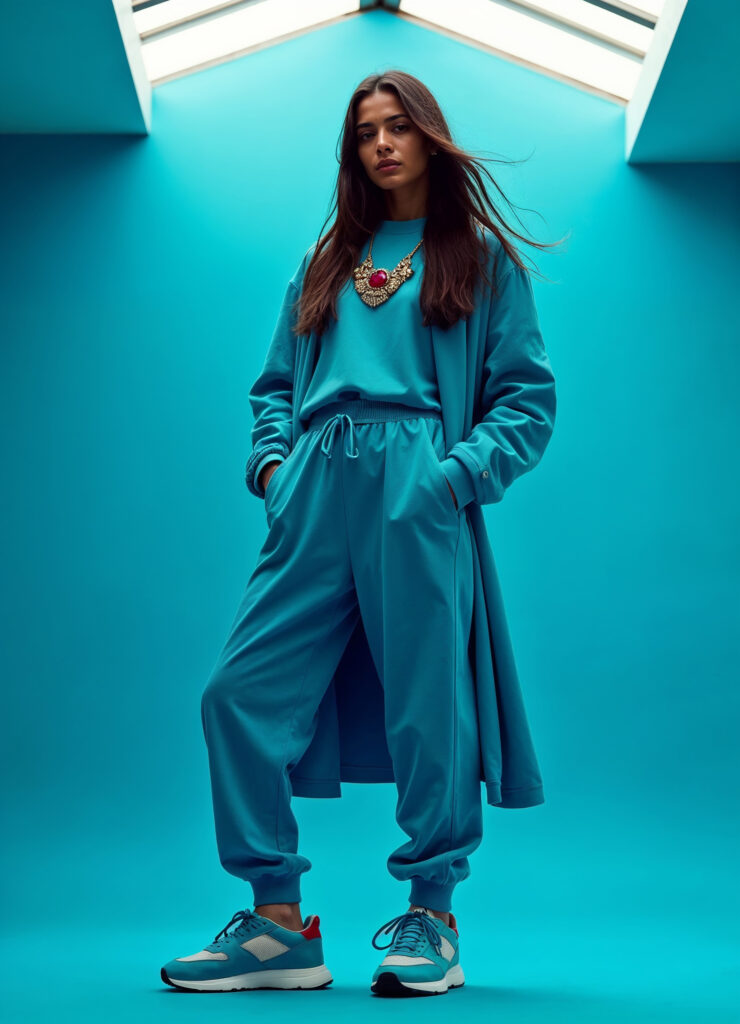
Why Most Fashion Factories Still Prefer Traditional Methods
Despite the rise of AI in fashion, factories and garment manufacturers still depend heavily on traditional design systems.
Adobe Illustrator Remains Industry Standard
For technical fashion design, Adobe Illustrator is still the primary tool for creating:
- Flat sketches
- Technical drawings
- Garment specifications
- Construction details
- Print placements
Tech Packs Are Essential for Production
A professional tech pack includes:
- Measurements
- Stitching details
- Fabric specifications
- Trim details
- Bill of materials
- Factory instructions
Without accurate tech packs, factories cannot efficiently or reliably produce garments.
2D CADs Continue to Dominate
2D CAD systems remain crucial for:
- Pattern development
- Technical communication
- Manufacturing precision
- Sampling accuracy
Why Fashion Companies Are Returning to Traditional Design Methods
Many brands initially embraced AI for its speed and creativity, but several challenges have pushed companies back toward more traditional methods.
1. AI Lacks Manufacturing Precision
AI-generated concepts often look visually impressive but fail to address:
- Garment construction
- Fabric limitations
- Fit accuracy
- Production costs
- Pattern engineering
2. Factories Need Standardized Technical Files
Manufacturers require precise, professional files—not conceptual imagery.
3. Traditional Methods Reduce Production Errors
Errors in production can be expensive. Adobe Illustrator, CADs, and tech packs provide consistency and clarity.
4. Human Expertise Still Matters
Fashion design is not just visual—it requires deep understanding of:
- Fit
- Construction
- Fabric performance
- Commercial viability
- Brand positioning
As a result, many established fashion companies now use AI primarily as a supplementary tool rather than a replacement.
Is AI the Future of Fashion Design?
AI in fashion is undoubtedly growing, but its strongest role is currently in:
Best Uses for AI in Fashion:
- Design ideation
- Creative experimentation
- Trend forecasting
- Marketing visuals
- Consumer analytics
Traditional Methods Still Lead in:
- Technical design
- Garment production
- Factory communication
- Sampling
- Manufacturing
The Future of Fashion: Combining AI With Traditional Expertise
The most successful fashion brands are likely to adopt a hybrid model that combines:
- AI-powered concept generation
- Adobe Illustrator technical flats
- Professional tech packs
- 2D CAD development
- Human creative direction
This balanced approach offers both innovation and reliability.
Are You Interested in Using AI in Your Fashion Collection?
For fashion startups, independent designers, and growing brands, AI can offer significant advantages:
Benefits of AI in Fashion Collections:
- Faster collection development
- Lower design research costs
- Improved creative experimentation
- Enhanced trend forecasting
- Stronger visual presentations
- Increased speed during concept stages
However, for successful manufacturing, AI should support—not replace—professional fashion design processes.
Final Thoughts: Is the Fashion Industry Ready for AI?
The fashion industry is ready for AI—but only when used strategically.
Artificial intelligence is revolutionising fashion creativity, speed, and business intelligence, but traditional methods like Adobe Illustrator, tech packs, and 2D CAD remain critical for production success.
For brands that understand both innovation and technical execution, AI can become a powerful competitive advantage.
The future of fashion is not AI versus traditional design—it is AI working alongside professional expertise.
Looking to Explore AI in Your Next Collection?
If you’re interested in integrating AI into your design process while maintaining professional production standards, now is the perfect time to explore how AI can enhance your collection development, improve efficiency, and unlock new creative possibilities.